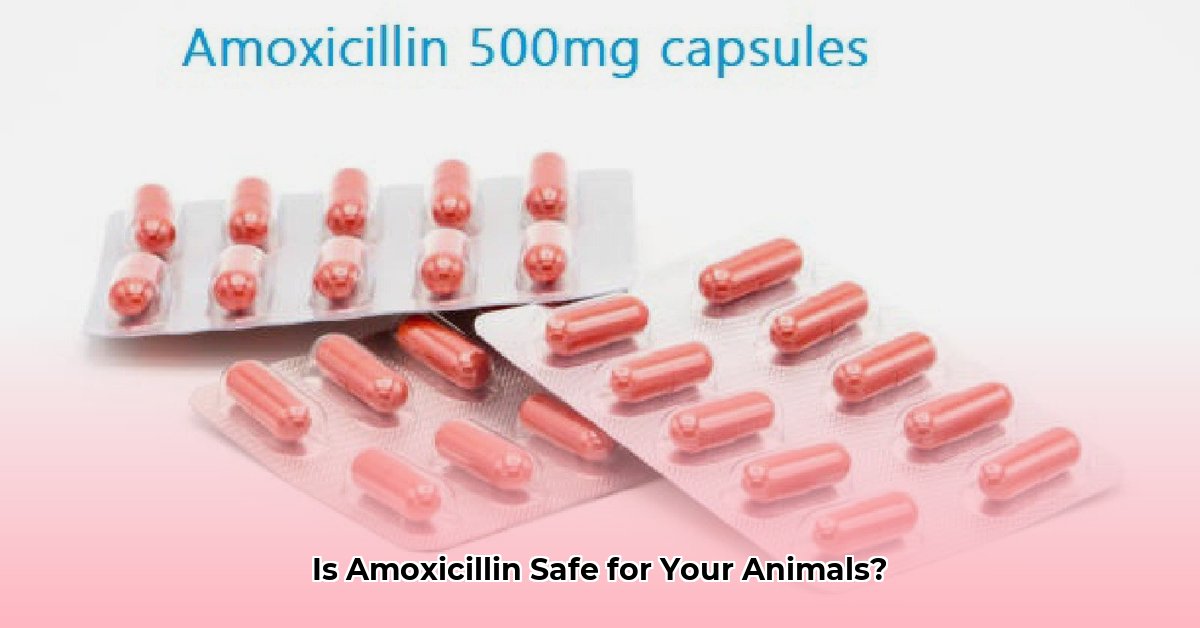
Amoxicillin, readily available at Tractor Supply, is a valuable antibiotic for treating bacterial infections in animals. However, responsible use is crucial to prevent the development of antibiotic resistance. For more information on finding animal medications, check out this helpful resource: Tractor Supply Resources. This guide provides clear instructions on safe and effective amoxicillin administration, emphasizing the importance of veterinary consultation.
Understanding Amoxicillin in Veterinary Medicine
Amoxicillin is a β-lactam antibiotic (a type of antibiotic that inhibits bacterial cell wall synthesis) effective against a range of bacterial infections. It’s a common choice due to its broad-spectrum activity and relatively low cost. However, it's vital to remember that amoxicillin is only effective against bacteria; it won't work against viruses or parasites. Misuse contributes to antibiotic resistance, making treatments less effective over time. Therefore, responsible use is paramount, both for your animals' health and for the future efficacy of antibiotics.
Indications for Use: When Is Amoxicillin Appropriate?
Amoxicillin should only be administered under veterinary guidance. A veterinarian will diagnose the infection and determine if amoxicillin is the appropriate treatment. Self-medication can be dangerous and contributes to antibiotic resistance. Some common bacterial infections that might respond to amoxicillin include:
- Respiratory infections: Pneumonia, bronchitis (in various species)
- Skin infections: Abscesses, wound infections (depending on the causative bacteria)
- Urinary tract infections: Cystitis, nephritis (in appropriate species)
- Soft tissue infections: Cellulitis (depending on the causative bacteria)
Important Note: This list is not exhaustive, and amoxicillin's suitability depends heavily on the specific bacteria causing the infection, the animal species, and the animal's overall health. A proper diagnosis from a veterinarian is crucial to ensure effective treatment.
Dosage and Administration: Getting It Right
Dosage varies greatly depending on the animal's species, weight, and the severity of the infection. Amoxicillin comes in various forms, including tablets and oral suspensions. Never attempt to dose your animal without explicit instructions from your veterinarian. They will consider factors such as the animal's age, health status, and the specific bacterial infection. Improper dosage can lead to treatment failure or harmful side effects.
The following table provides a general illustrative example only; it is not a substitute for veterinary guidance.
| Animal Type | Typical Dosage Form | Dosage Considerations |
|---|---|---|
| Dogs | Tablets, Oral Suspension | Weight, age, severity of infection are critical factors |
| Cats | Oral Suspension | Weight, age, severity of infection are critical factors |
| Livestock (e.g., Cattle, Sheep, Goats) | Injectable, Oral Solutions | Species, weight, and infection type are crucial |
| Poultry | Oral Solutions | Species-specific dosages are essential |
Contraindications and Precautions: When to Avoid Amoxicillin
Amoxicillin should not be used in animals with known penicillin allergies. Potential side effects include gastrointestinal upset (vomiting, diarrhea), allergic reactions (ranging from mild skin irritation to anaphylaxis), and decreased appetite. If your animal exhibits any unusual symptoms after receiving amoxicillin, contact your veterinarian immediately.
Withdrawal Times: Protecting the Food Chain
If treating animals whose products (milk, meat, eggs) are intended for human consumption, strictly adhere to withdrawal times specified by your veterinarian and the product label. These times ensure that antibiotic residues in animal products are below safe levels for human consumption. Failure to do so poses a risk to public health.
Antibiotic Stewardship: The Importance of Veterinary Consultation
Responsible antibiotic use is vital. The overuse and misuse of antibiotics contribute to the development of antibiotic resistance, making infections harder to treat in the future. Always consult a veterinarian before using any antibiotic. They can provide an accurate diagnosis, prescribe the appropriate antibiotic, and ensure the correct dosage is administered.
Storage and Disposal: Safe Handling of Amoxicillin
Store amoxicillin in a cool, dry place, away from children and pets, as directed on the label. Dispose of unused or expired amoxicillin responsibly. Do not flush it down the toilet or throw it in the trash. Contact your veterinarian or local waste disposal service for guidance on proper disposal methods in your area. Safe disposal protects the environment and prevents accidental ingestion.
Conclusion: Responsible Antibiotic Use is Key
Effective use of amoxicillin requires a partnership between you and your veterinarian. They are the experts and will ensure the safe and responsible use of this important antibiotic. Remember that prevention through good hygiene and preventative healthcare is crucial. Use antibiotics wisely to protect the health of your animals and safeguard the long-term effectiveness of these vital medications. The responsible use of antibiotics is crucial for the health of your animals and the wider community. Don't hesitate to contact your veterinarian with any questions.